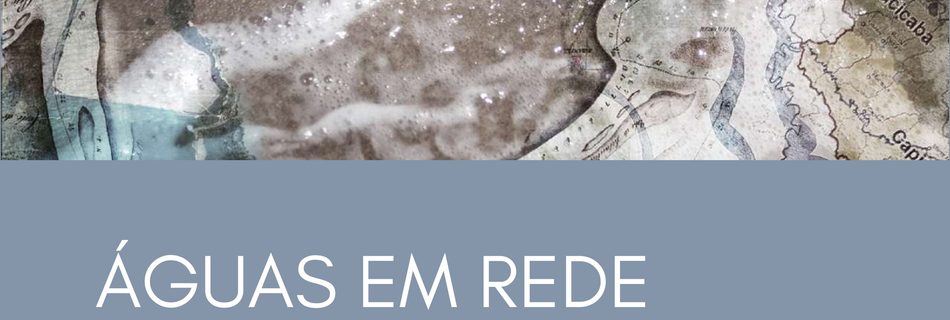
Águas em rede: confluências hidrográficas
Trocas entre pesquisadores e artistas na América Latina onde apresentei parte do processo no rio Bogotá.
Trocas entre pesquisadores e artistas na América Latina onde apresentei parte do processo no rio Bogotá.
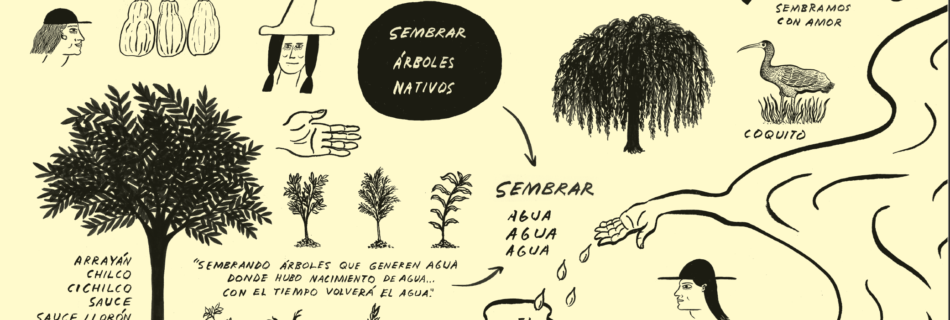
How do we know whether our curatorial methodologies with entre—ríos’ RÍO BOGOTÁ project generate change among participants? Grounded in theory of change literature and practice, and geared toward evaluating specific project objectives and methodologies, this article presents an assessment methodology comprising interviews and focus groups to trace transformations occurring at different scales.
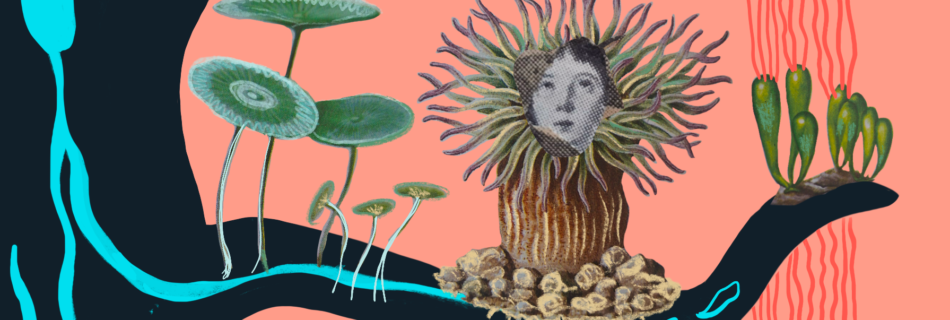
Restoring human relationships with rivers must focus on local agency and ecological entanglement, not just large-scale industrial intervention. With Laura Giraldo-Martínez and Juliana Steiner, we wrote a short blog post for NYU’s More-than-Human-Rights project, an interdisciplinary initiative advancing rights and well-being for humans, nonhumans, and the web of life that sustains us all. “The river …
Read more “New publication on NYU’s MoTH project site: The river is not dead”
Happy that this text which combines an analysis of Salto del Tequendama (2021), by Emilio Chapela, with some cultural history of the Bogotá River, is now out. Tequendama Falls is a breathtaking body of water, a cascade of more than 150 meters that tumbles over a precipice. Emilio and I have been in collaboration since …
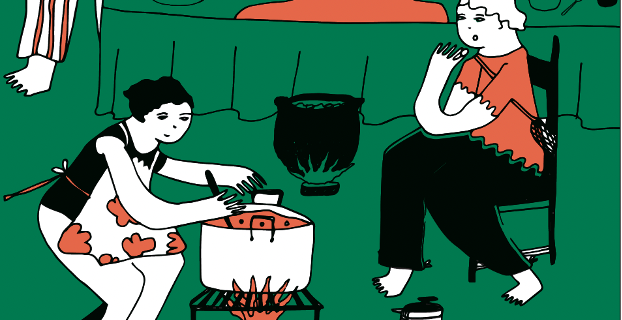
Durante 2024, desde entre—ríos convocamos a cuidadores y cuidadoras del río Bogotá a compartir cuatro convites de río. Nos juntamos en diferentes lugares de la cuenca alta y media: en la vereda Tenería en Suesca, en el Humedal Tibabuyes en Bogotá, en El Charquito en Soacha, y en el Espacio Odeón en Bogotá, para seguir evocando y …
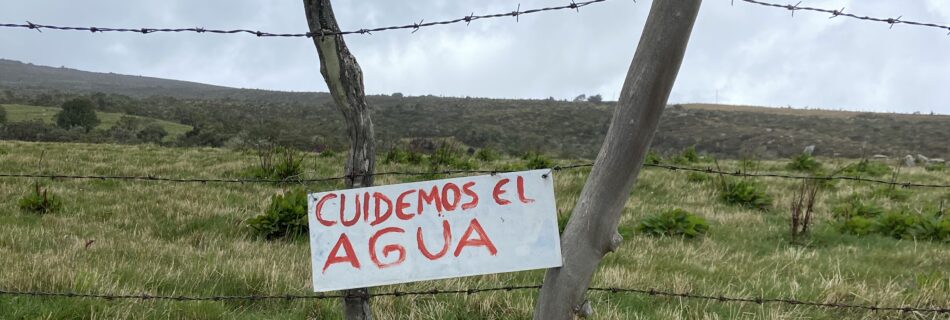
I was grateful to receive the invitation from Ulrik Ekman to contribute to the Environmental Humanities Glossary. It was an opportunity to publish a short piece on the concept of hydrocommoning, the title of my forthcoming book with University of Minnesota Press, and to think through Leanne Betasamosake Simpson’s Theory of Water, which I had …
Read more “New article: Hydrocommoning, Environmental Humanities Glossary”
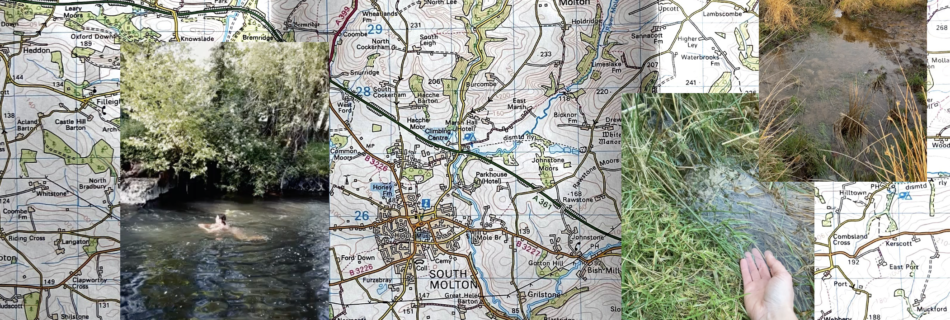
Offering this talk was a way to share, through a performance lecture, a series of gestures of thinking somatically, or we could say, thinking-feeling, through which we move between the very intimate and personal towards the common and shared, giving form to an affective and relational liquid ecology.
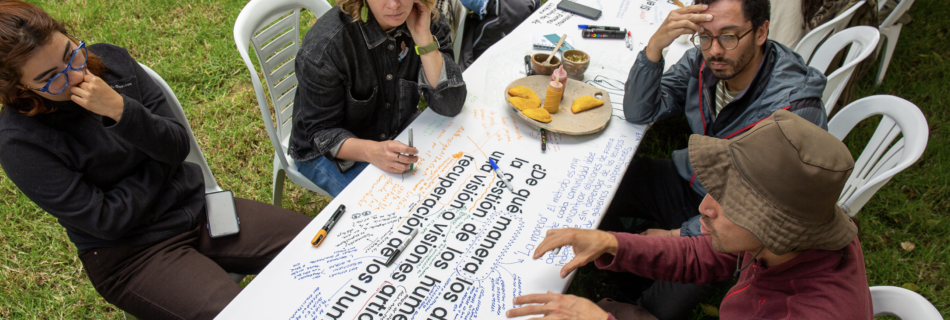
I had a the pleasure of sharing with the EDGES Lab led by Professor Leila Harris at the University of British Columbia recently and was thrilled to learn more about the common ground between research being done by Lab members and our processes with entre—ríos.

In November 2024, entre—ríos was invited to feature in a live podcast recording to celebrate the 15 year anniversary of independent journalism outlet, La Silla Vacía. Held in Bogotá, the event featured live talks with politicians and activists to discuss “acuerdos para el futuro de Colombia” —agreements for Colombia’s future on four topics, including water.

By sharing experiences we witnessed of daily care for the watershed’s ecosystems, its organic vegetable plots, seed banks and community spaces, “How to eat a river” maps a different reality of one of the world’s most polluted rivers, demonstrating how small-scale actions make a tangible difference and enable the imagination of alternative futures.